
Introduction
Search Engine Optimization (SEO) plays an important role in helping people discover your website through search engines like Google. However, even a well-designed website may struggle to attract organic traffic if it has SEO problems.
Many website owners make common mistakes, such as targeting the wrong keywords, publishing low-quality content, ignoring mobile users, or overlooking technical issues.
The good news is that many of these problems can be identified and improved with the right approach.
In this article, Teeauras explains 10 common SEO mistakes that can hurt your website and shares practical tips to help you avoid them.
1. Keyword Stuffing
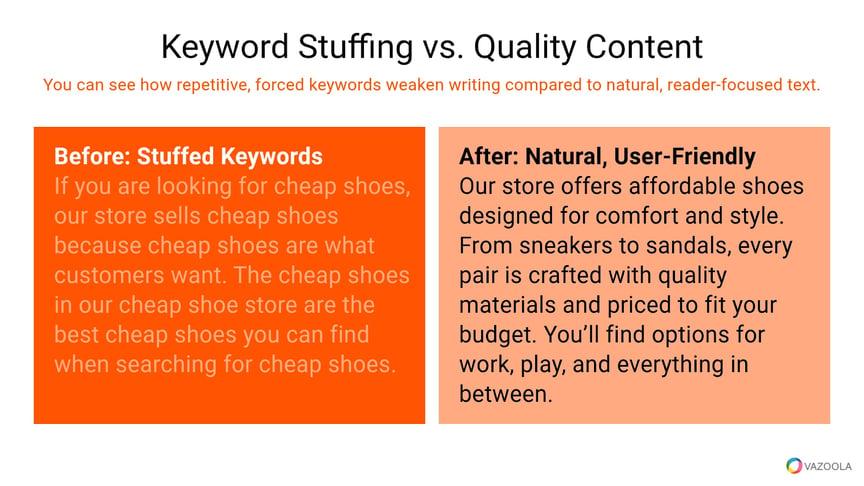
Keyword stuffing means repeating the same keyword unnaturally throughout a webpage in an attempt to influence search rankings.
For example:
- Poor example: “We provide the best website design. Our website design service offers the best website design for your website design needs.”
- Better example: “Our website design services help businesses create modern, user-friendly websites.”
How to avoid this mistake:
- Use your main keyword naturally.
- Include related terms where they genuinely fit.
- Write for people rather than search engines.
- Focus on answering the reader’s question clearly.
Natural, useful content creates a better experience than repetitive writing.
2. Publishing Low-Quality Content

Content that is too short to answer a question, copied from other websites, inaccurate, or written without useful information may fail to satisfy readers.
Publishing many articles does not automatically improve SEO. Content should offer genuine value and match the reader’s search intent.
How to avoid this mistake:
- Write original content.
- Explain topics clearly with practical examples.
- Answer common questions related to your industry.
- Review facts and update outdated information.
- Add relevant images, examples, and helpful internal links.
For Teeauras, you could publish detailed guides about WordPress, Elementor, graphic design, SEO, and digital marketing.
3. Ignoring Title Tags and Meta Descriptions
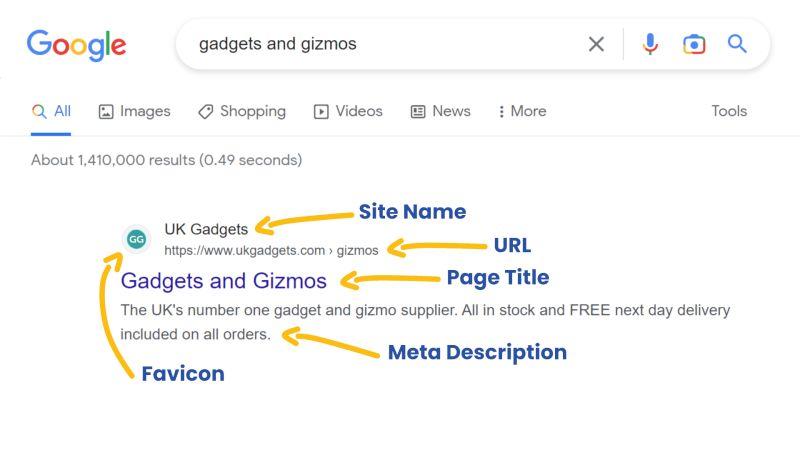
Your page title helps search engines and readers understand what a page is about. A meta description provides a short summary that may appear in search results.
Missing, duplicated, vague, or misleading titles can make your pages harder to understand. Meta descriptions are not a direct Google ranking factor, but useful descriptions may encourage relevant searchers to click.
How to avoid this mistake:
- Write a unique, descriptive title for every important page.
- Include your primary topic naturally.
- Write a clear and accurate meta description.
- Avoid repetitive keywords and misleading promises.
- Keep the title and description relevant to the page content.
Example for Teeauras:
- SEO title:
10 Common SEO Mistakes to Avoid | Teeauras - Meta description:
Discover 10 common SEO mistakes that can affect your website and learn practical ways to improve content, technical SEO, and user experience.
4. Having a Slow Website
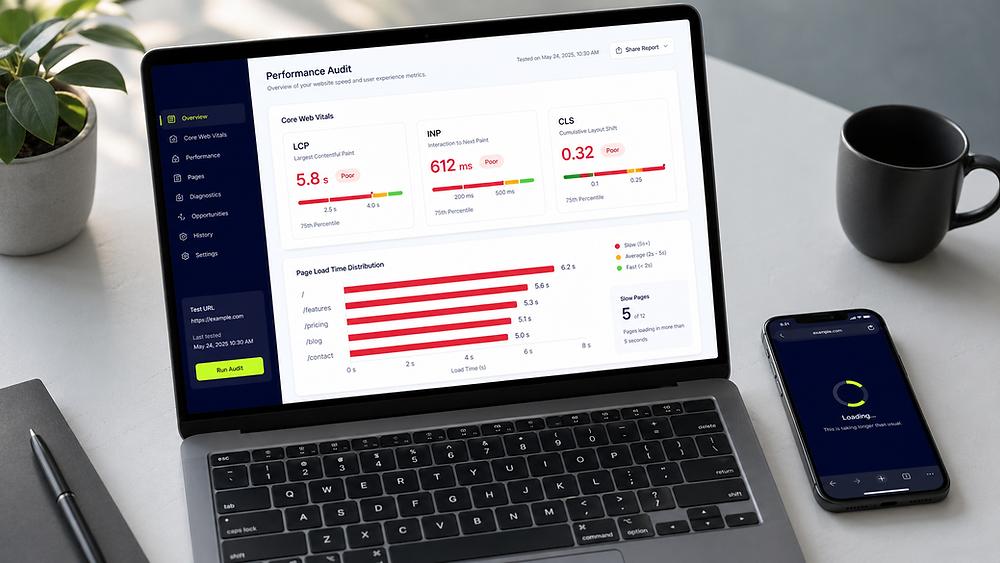
A slow website can frustrate visitors, especially on mobile connections. Page performance is also part of Google’s page experience considerations.
Large images, excessive scripts, unnecessary plugins, and poor hosting may contribute to slow loading.
How to avoid this mistake:
- Compress and resize images before uploading them.
- Use modern image formats such as WebP where appropriate.
- Remove plugins you do not need.
- Use reliable hosting and suitable caching.
- Test important pages with Google PageSpeed Insights.
If you use WordPress and Elementor, check whether unnecessary widgets, animations, and third-party scripts are affecting performance before adding more optimization plugins.