
Lead Generation: A Complete Guide to Attracting More Customers Online
Introduction
Every business needs potential customers to grow. However, attracting people to your website is only the first step. The next step is turning interested visitors into people who contact your business, request a quote, or enquire about your services.
This process is known as Lead Generation.
In today’s digital world, businesses can use websites, search engine optimization (SEO), social media marketing, email marketing, and online advertising to connect with potential customers.
At Teeauras, we believe that an effective digital strategy should do more than build an online presence. It should help businesses reach the right audience, build trust, and encourage meaningful enquiries.
In this guide, you will learn what lead generation is, why it matters, and how businesses can use digital marketing strategies to attract potential cust
What Is Lead Generation?
Understanding Lead Generation
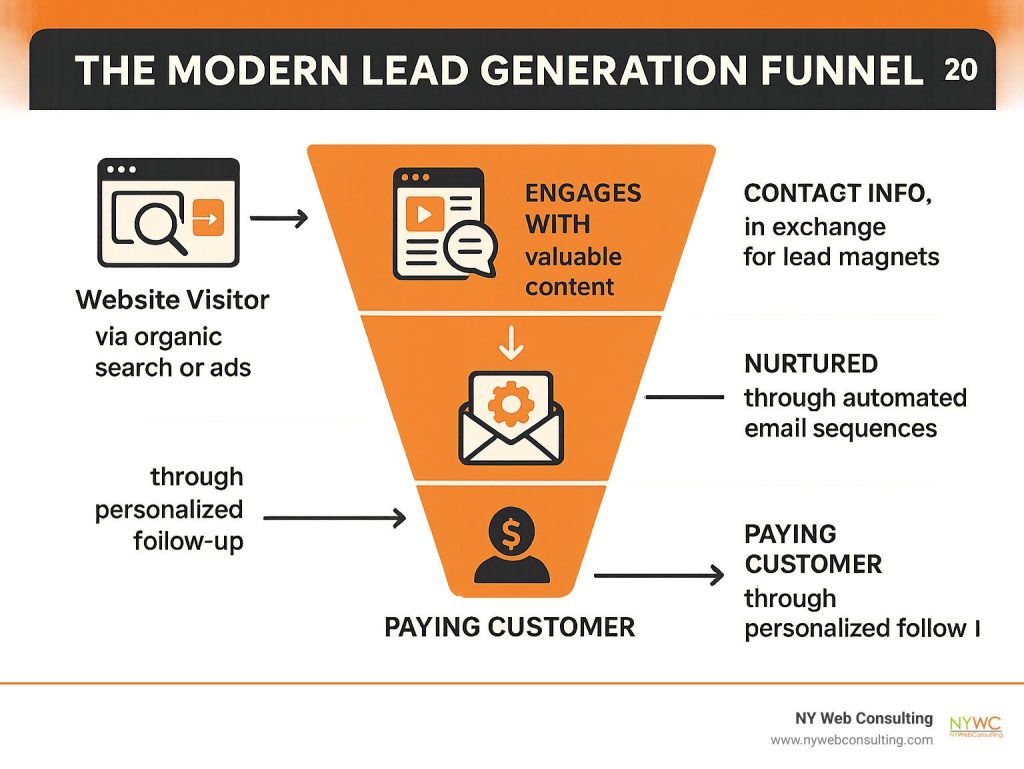
Lead generation is the process of attracting people who may be interested in your products or services and encouraging them to express interest in your business.
A lead could be someone who fills out a contact form, requests a price estimate, subscribes to your newsletter, books a consultation, or contacts your business through WhatsApp.
For example, a visitor lands on your website after searching for website design services. They review your services and complete your enquiry form. That person becomes a potential customer, or lead.
The main goal of lead generation is to attract relevant prospects and help them take the next step toward becoming customers.
Best Lead Generation Strategies
7 Effective Ways to Generate Leads Online
1. Search Engine Optimization (SEO)
Optimize your website and publish helpful content so potential customers can discover your business through relevant search queries.
2. Social Media Marketing
Share useful posts, customer-focused content, service information, and clear calls to action on platforms relevant to your audience.
3. Landing Pages
Create dedicated pages that explain one offer or service and encourage visitors to take a specific action, such as requesting a quote.
4. Email Marketing
Offer valuable resources or updates in exchange for permission to send emails. Use relevant messages to build relationships with subscribers.
5. Paid Advertising
Use suitable online advertising campaigns to reach specific audiences and direct interested people to a relevant landing page.
6. Helpful Blog Content
Publish guides, tutorials, and answers to common customer questions. Useful content can build trust and introduce readers to your services.
7. Clear Contact Forms
Make it simple for visitors to ask questions or request information. Ask only for details you genuinely need, such as a name, contact method, and project requirements.